The Seventh Seal
Topic: Film & TV
Posted: Fri, Feb 2, 2007 
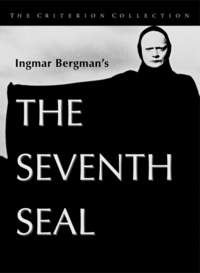
I first saw The Seventh Seal in college, but it was late, and pretty much all I remember was how cool it was that a knight was playing a game of chess with death. And yes, playing chess with death is still a very good reason to like this movie, but as I discovered upon a second, more lucid viewing (prompted by my continued quest to see 1001 great movies before I die) this is a wonderfully rich film that has as much to say about death as it does life.
The Seventh Seal is set in medieval times (the epoch, not the dinner theater) during the crusades and the plague, and centers around a knight, Antonius Block (Max Von Sydow), who is returning home after 10 years of “spreading the gospel” with his squire Jons (Gunnar Bjornstrand).
TrackBacks
TrackBack URL for this entry:
http://www.indyscribe.com/cgi-bin/mt-tb.cgi/401
Categories
- About Us
- Board and Video Games
- Books
- Day Trips
- Events & Festivals
- Film & TV
- Geek Bling
- History
- Hoosier Oddities
- Indianapolis In the News
- Indianapolis Living
- Kids' Stuff
- Local Attractions
- Local Celebrities
- Museums and Visual Arts
- Music
- Night Life
- Photos
- Restaurants
- Shopping
- Sports
- Theater
- Transportation
- Weather

Comments
1. Oct 3, 13 01:55 AM | https://www.facebook.com/cheapnorthfacejacketsclearanceoutlets said:
Hello there! Do you know if they make any plugins to assist with SEO? I'm trying to get my blog to rank for some targeted keywords but I'm not seeing very good gains. If you know of any please share. Many thanks!
2. Oct 23, 13 08:56 PM | www.facebook.com said:
I almost never comment, but i did a few searching and wound up here IndyScribe: The Sevent
Seal. And I do have 2 questions for you if it's allright.
Is it just me or does it seem like a few of the comments come across as
if they are written by brain dead visitors? :-P And, if you are posting at other online sites,
I'd like to follow anything fresh you have tto post.
Could you listt of the complete urls of yyour
public ppages like your Facrbook page, twittter feed,
or linkedin profile?